
Your CIBIL score is one of the most important factors that banks and NBFCs consider when you apply for a loan or credit card. A higher score indicates that you have managed credit responsibly in the past, which can improve your chances of loan approval and even help you secure a lower interest rate.
While there is no fixed CIBIL score that guarantees loan approval, most lenders prefer applicants with a strong credit history and a score in the higher range. Your income, employment, existing EMIs, and repayment capacity also play a major role in the final decision.
In this guide, you’ll learn what a CIBIL score is, what score is considered good for different types of loans, how it affects loan approval, and practical ways to improve it.
Quick Overview
| Particular | Details |
| Credit Score Range | 300–900 |
| Excellent Score | 800–900 |
| Good Score | 750–799 |
| Fair Score | 700–749 |
| Average Score | 650–699 |
| Below 650 | May Reduce Loan Approval Chances |
| Ideal Score for Loans | Generally 750+ |
What is a CIBIL Score?
A CIBIL score is a three-digit number issued by TransUnion CIBIL, one of India’s credit information companies. It reflects your creditworthiness based on your borrowing and repayment history.
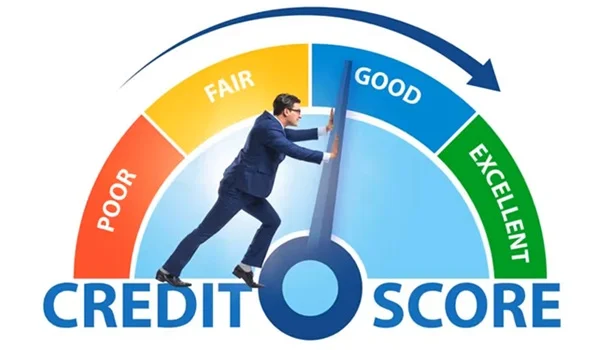
The score is calculated using information such as:
- Loan repayment history
- Credit card payment history
- Credit utilization
- Number of loan applications
- Existing loans
- Length of credit history
- Credit mix
Lenders use this score as one of the factors to assess the risk of lending to you.
CIBIL Score Range Explained
| CIBIL Score | Meaning |
| 800–900 | Excellent Credit Profile |
| 750–799 | Good Credit Profile |
| 700–749 | Generally Acceptable |
| 650–699 | Average Credit Profile |
| 550–649 | Weak Credit Profile |
| Below 550 | High Lending Risk |
A higher score generally improves your chances of getting approved for loans with better terms.
What is a Good CIBIL Score for Different Loans?
Personal Loan
Preferred Score:
750 or above
Since personal loans are unsecured, lenders usually place greater emphasis on your credit profile.
Home Loan
Preferred Score:
750+
A strong score may improve your chances of obtaining a competitive interest rate.
Car Loan
Preferred Score:
700–750+
Car loans are secured by the vehicle, but lenders still review your credit history.
Business Loan
Preferred Score:
750+
For unsecured business loans, lenders often assess both the business profile and the applicant’s credit score.
Education Loan
Preferred Score:
700+
Lenders also evaluate the co-applicant’s financial profile and repayment capacity.
Why is CIBIL Score Important?
A good credit score can help you:
- Improve loan approval chances.
- Qualify for better interest rates.
- Get higher loan amounts.
- Access faster approvals.
- Improve credit card approval chances.
A poor score may result in higher interest rates, reduced loan eligibility, or even rejection.
Factors That Affect Your CIBIL Score
- Payment History
Timely repayment of:
- Loan EMIs
- Credit card bills
is one of the biggest contributors to a healthy credit score.
- Credit Utilization
Credit utilization refers to how much of your available credit limit you’re using.
As a general guideline, many experts recommend keeping utilization below 30% of your total credit limit.
- Credit History Length
A longer history of responsible credit usage generally helps build a stronger credit profile.
- Multiple Loan Applications
Submitting many loan or credit card applications within a short period can lead to multiple hard inquiries, which may negatively affect your credit profile.
- Existing Loans
Having too many active loans or high outstanding balances may affect your repayment capacity and overall credit profile.
- Credit Mix
A balanced mix of secured loans (such as home or car loans) and unsecured credit (such as credit cards or personal loans) may contribute positively to your credit profile when managed responsibly.
How to Improve Your CIBIL Score
- Pay EMIs on Time
Never miss:
- Loan EMIs
- Credit card payments
Payment history has a significant impact on your score.
- Pay Credit Card Bills in Full
Whenever possible, pay the full outstanding amount instead of only the minimum amount due.
- Reduce Credit Utilization
Avoid using most of your available credit limit.
Lower utilization generally reflects responsible credit management.
- Avoid Frequent Loan Applications
Compare lenders first and apply selectively rather than submitting multiple applications simultaneously.
- Check Your Credit Report Regularly
Review your credit report for:
- Incorrect loan entries
- Payment errors
- Duplicate accounts
- Identity-related issues
Dispute inaccuracies with the credit bureau if necessary.
- Keep Old Credit Accounts Active
Older, well-managed credit accounts can contribute positively to the length of your credit history.
Avoid closing your oldest credit card unless there is a compelling reason.
Can You Get a Loan with a Low CIBIL Score?
Yes, but it may be more difficult.
Some lenders may:
- Charge higher interest rates.
- Offer a smaller loan amount.
- Request additional documentation.
- Require a co-applicant or guarantor in some cases.
Approval depends on the lender’s policy and your overall financial profile.
Common Reasons for a Low CIBIL Score
- Missed EMI payments
- Late credit card payments
- Loan defaults
- High credit card utilization
- Multiple hard inquiries
- Loan settlements
- Errors in the credit report
How Long Does It Take to Improve a CIBIL Score?
There is no fixed timeline.
The improvement depends on factors such as:
- Regular on-time payments
- Reducing outstanding debt
- Correcting report errors
- Responsible credit usage
Building a strong credit profile is usually a gradual process.
CIBIL Score vs Credit Report
| CIBIL Score | Credit Report |
| Three-digit score | Detailed credit history |
| Indicates creditworthiness | Lists loans, credit cards, payment history, and inquiries |
| Used for quick assessment | Used for detailed evaluation |
Lenders typically review both the score and the underlying credit report.
Tips Before Applying for a Loan
- Check your credit score beforehand.
- Correct any errors in your credit report.
- Reduce existing debt if possible.
- Compare multiple lenders.
- Avoid unnecessary loan applications.
- Ensure your income documents are updated.
Frequently Asked Questions (FAQs)
What is the minimum CIBIL score required for a loan?
There is no universal minimum score. Many lenders prefer applicants with a score of 750 or above, but approval depends on several factors, including income, employment, and repayment capacity.
Is a 700 CIBIL score good?
A score of 700 is generally considered acceptable by many lenders, although a higher score may improve your chances of approval and help you obtain better loan terms.
Can I get a loan with a 650 CIBIL score?
It may be possible, but your options could be more limited, and the lender may offer a higher interest rate or a lower loan amount depending on your overall profile.
Does checking my own CIBIL score reduce it?
No. Checking your own credit score is considered a soft inquiry and does not affect your credit score.
How can I increase my CIBIL score quickly?
There is no instant method. The most effective approach is to pay all EMIs and credit card bills on time, reduce outstanding debt, keep credit utilization low, and maintain responsible borrowing habits consistently.
Final Thoughts
Your CIBIL score is a key indicator of your creditworthiness and plays an important role in determining whether you qualify for a loan and the terms you receive. While a score of 750 or above is generally considered favorable, lenders also evaluate your income, employment, existing financial obligations, and overall repayment capacity.
If your score is lower than you’d like, focus on improving it through consistent, responsible credit behavior rather than seeking quick fixes. Over time, a stronger credit profile can help you access better loan options, lower borrowing costs, and greater financial flexibility.




Leave a Reply