
by
Category: Law
-
Is Cryptocurrency Legal in India? (2026 Guide): Laws, Regulations, Tax Rules & What Investors Should Know
One of the most common questions among new investors is “Is cryptocurrency legal in India?” The short answer is yes, buying, selling, and holding cryptocurrency is legal, but there are important legal, regulatory, and tax rules that every investor should understand. Cryptocurrencies such as Bitcoin (BTC), Ethereum (ETH), Solana (SOL), and XRP are widely traded…
-
FIR vs NCR: What’s the Difference? Complete Guide to Police Complaints in India (2026)
If you’ve been a victim of theft, assault, harassment, property damage, or another offence, you may wonder whether the police should register an FIR (First Information Report) or an NCR (Non-Cognizable Report). Many people are unaware of the difference, which can lead to confusion when reporting a crime. The key distinction lies in the nature…
by
-
Cyber Crime Complaint in India (2026): How to Report Online Fraud, Steps, Helpline & Complaint Process
With the rapid growth of digital payments, online banking, social media, and e-commerce, cyber crimes have also increased significantly. Cases such as UPI fraud, online scams, identity theft, phishing attacks, social media hacking, fake websites, and financial fraud are becoming common concerns for internet users. If you become a victim of cyber crime, taking quick…
by
-
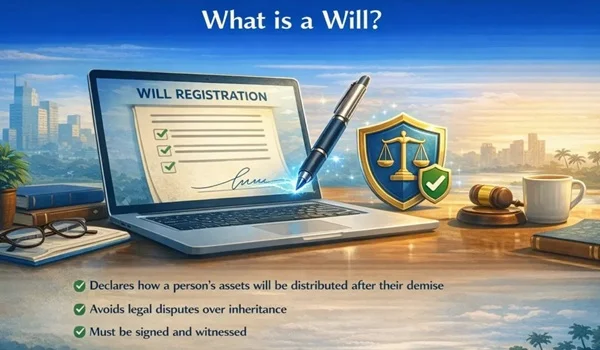
Will Registration Guide in India (2026): Process, Documents, Fees & Important Rules
A Will (Testament) is a legal document through which a person declares how their assets and property should be distributed after their death. Creating a Will helps avoid family disputes, ensures that assets are transferred according to the person’s wishes, and provides clarity for legal heirs. In India, registration of a Will is not mandatory,…
by
-

RTI Application Guide in India (2026): How to File RTI, Format, Fees & Complete Process
The Right to Information (RTI) Act gives Indian citizens the legal right to seek information from government departments and public authorities. It is a powerful tool that promotes transparency and accountability by allowing citizens to ask questions about government decisions, records, schemes, expenditure, and administrative actions. Whether you want information about a government scheme, pending…
by
-

Divorce Process in India (2026): Types, Steps, Documents, Cost & Legal Requirements
Divorce is the legal process through which a marriage is officially dissolved by a court. In India, divorce laws vary depending on the religion of the parties, the type of marriage, and the circumstances leading to separation. Understanding the divorce process can help couples make informed decisions regarding mutual consent divorce, contested divorce, child custody,…
by
-
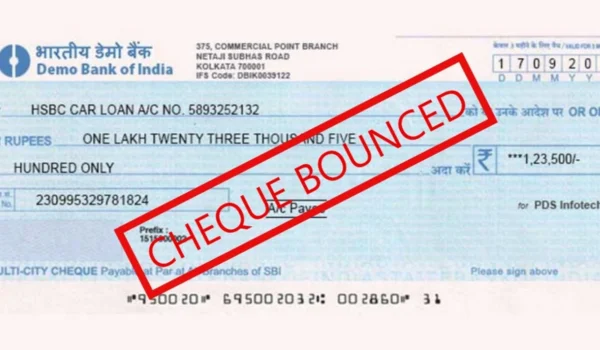
Cheque Bounce Case in India (2026): Process, Notice Period, Penalty, Documents & Legal Remedies
A cheque bounce case occurs when a cheque issued by a person or business is returned unpaid by the bank due to reasons such as insufficient funds, signature mismatch, account closure, or other banking issues. In India, cheque dishonour is a serious financial offence primarily governed by Section 138 of the Negotiable Instruments Act, 1881.…
by

Recent Posts
-
Is Cryptocurrency Legal in India? (2026 Guide): Laws, Regulations, Tax Rules & What Investors Should Know
-

Personal Loan Eligibility in India (2026): Complete Guide to Qualification Criteria
-

Best Savings Account in India (2026): Top Banks Compared by Interest Rate, Features & Benefits
-

7 Bathroom Cleaning Areas Homeowners Often Miss During Regular Cleaning and Why They Need Extra Attention