
Repaying your loan before the scheduled tenure can help you become debt-free sooner and reduce the total interest you pay. However, many borrowers are surprised to learn that some lenders may charge a loan foreclosure fee or prepayment charge when a loan is closed early.
Whether you have a personal loan, home loan, car loan, business loan, or loan against property, it’s important to understand your lender’s foreclosure policy before making an early repayment. In some cases, foreclosure charges are not applicable, while in others they can increase the overall cost of closing the loan.
This guide explains what loan foreclosure charges are, how they work, when they apply, and how you can minimize or avoid unnecessary fees.
Quick Overview
| Particular | Details |
| Meaning | Fee Charged for Closing a Loan Before the Scheduled Tenure |
| Also Known As | Prepayment Charge or Foreclosure Fee |
| Applicable On | Depends on Loan Type & Lender Policy |
| Charge Type | Usually a Percentage of Outstanding Principal (Varies by Lender) |
| Main Purpose | Compensates the Lender for Early Closure of the Loan |
| RBI Rules | Differ for Various Loan Categories and Lenders |
What are Loan Foreclosure Charges?
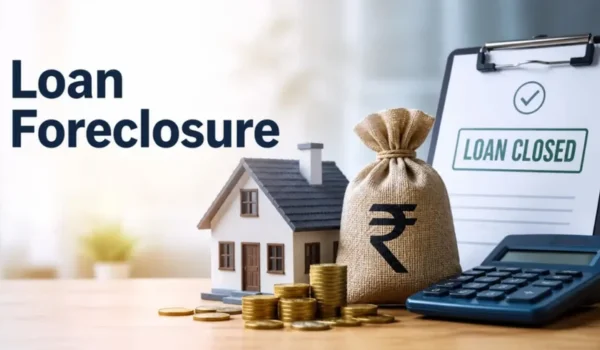
Loan foreclosure charges are fees that some banks and NBFCs may collect when a borrower repays the entire outstanding loan amount before the original loan tenure ends.
From the lender’s perspective, early repayment can reduce the interest income they expected to earn over the loan period. Depending on the loan agreement and applicable regulations, the lender may therefore levy a foreclosure or prepayment charge.
Always check your loan agreement because the applicable charges vary by lender and loan type.
Foreclosure vs Prepayment
Many borrowers confuse these two terms.
| Foreclosure | Prepayment |
| Entire loan is repaid before the end of the tenure | Only a portion of the outstanding loan is repaid early |
| Loan account is closed | Loan continues after reducing the outstanding balance |
| May attract foreclosure charges | May attract part-prepayment charges depending on lender policy |
Which Loans May Have Foreclosure Charges?
Depending on the lender and loan agreement, foreclosure charges may apply to:
- Personal Loans
- Car Loans
- Business Loans
- Loan Against Property
- Education Loans (varies)
- Gold Loans (varies)
For home loans, the rules differ depending on the loan type and interest rate structure.
Home Loan Foreclosure Rules
For many floating-rate home loans provided to individual borrowers, lenders generally cannot charge foreclosure or prepayment penalties, in line with Reserve Bank of India (RBI) guidelines.
However:
- Fixed-rate home loans may have different conditions.
- Loans taken by non-individual entities (such as certain companies or firms) may be subject to different rules.
- Policies can vary based on the lender and loan agreement.
Always confirm the applicable terms with your lender before making an early repayment.
How are Foreclosure Charges Calculated?
Many lenders calculate foreclosure charges as a percentage of the outstanding principal amount at the time of closure.
For example:
- Outstanding Loan: ₹5,00,000
- Foreclosure Charge: 3%
Foreclosure Fee:
₹15,000 (excluding applicable taxes, if any)
The exact method and percentage vary by lender.
Why Do Lenders Charge Foreclosure Fees?
Lenders may levy foreclosure charges to:
- Offset the loss of expected interest income.
- Recover administrative and processing costs.
- Discourage frequent early loan closures.
Not every lender charges these fees, and the amount depends on the loan agreement and applicable regulations.
Factors That Affect Foreclosure Charges
The applicable charge may depend on:
- Type of loan
- Fixed or floating interest rate
- Remaining loan tenure
- Outstanding balance
- Lender policy
- Regulatory guidelines
Advantages of Foreclosing a Loan
Even if foreclosure charges apply, early repayment may still provide financial benefits such as:
- Saving on future interest payments.
- Becoming debt-free sooner.
- Improving monthly cash flow.
- Reducing long-term financial obligations.
- Improving overall financial flexibility.
Always compare the foreclosure fee with the interest you would otherwise pay before deciding.
Disadvantages
- Foreclosure charges may apply.
- You may need a substantial lump sum to close the loan.
- Using all available savings for foreclosure could reduce your emergency fund.
- Some loan benefits or promotional terms may no longer apply after closure.
How to Avoid or Reduce Foreclosure Charges
- Compare Lenders Before Taking the Loan
Some lenders offer:
- Zero foreclosure charges
- Lower prepayment fees
- Flexible repayment options
Review these terms before choosing a lender.
- Read the Loan Agreement Carefully
Check:
- Foreclosure clause
- Prepayment rules
- Minimum lock-in period
- Applicable charges
Understanding these terms upfront can help avoid unexpected costs later.
- Choose Floating-Rate Home Loans Carefully
For eligible individual borrowers, floating-rate home loans often have more borrower-friendly foreclosure rules than fixed-rate loans.
- Use Part-Prepayments
Instead of closing the entire loan, making periodic part-prepayments may reduce the outstanding principal while keeping the loan active. Whether charges apply depends on your lender’s policy.
- Negotiate with the Lender
In some cases, especially for long-standing customers or borrowers with a strong repayment history, lenders may be willing to waive or reduce certain charges. There is no guarantee, but it can be worth asking.
Common Mistakes to Avoid
- Assuming every loan has the same foreclosure rules.
- Closing a loan without comparing the foreclosure fee to the remaining interest cost.
- Ignoring GST or other applicable charges on foreclosure fees.
- Not requesting a No Objection Certificate (NOC) or loan closure letter after repayment.
- Failing to ensure that the lender updates your loan status with the credit bureau.
Documents to Collect After Foreclosure
After successfully closing your loan, obtain:
- Loan Closure Letter
- No Objection Certificate (NOC)
- Original property documents (for secured loans)
- Cancelled security instruments (if applicable)
- Updated loan statement showing zero outstanding balance
Keep these documents safely for future reference.
Foreclosure vs Regular EMI Repayment
| Foreclosure | Regular EMI |
| Loan ends before the scheduled tenure | Loan continues until the agreed end date |
| May save future interest | Interest is paid over the full tenure |
| Foreclosure charges may apply | No foreclosure charges because the loan isn’t closed early |
| Requires a lump-sum payment | Paid through monthly EMIs |
Frequently Asked Questions (FAQs)
What are loan foreclosure charges?
They are fees that some lenders charge when a borrower repays the entire outstanding loan before the scheduled loan tenure ends.
Are foreclosure charges applicable on every loan?
No. The applicability depends on the loan type, lender policy, the loan agreement, and regulatory guidelines.
Can I foreclose my personal loan anytime?
Many lenders allow personal loan foreclosure after a specified lock-in period. The exact timing and applicable charges vary by lender.
Are home loan foreclosure charges applicable?
For many floating-rate home loans taken by individual borrowers, foreclosure penalties are generally not permitted under RBI guidelines. Fixed-rate loans and certain other situations may be treated differently.
Is foreclosure always beneficial?
Not necessarily. Compare the foreclosure charges with the interest you would save before making a decision. In many cases, early repayment is financially beneficial, but it depends on your specific loan terms.
Final Thoughts
Foreclosing a loan can be an effective way to reduce your debt burden and save on future interest costs, but it isn’t always the cheapest option. Before making a lump-sum repayment, review your loan agreement carefully, understand the applicable foreclosure charges, and calculate whether the interest savings outweigh the fees.
If you’re planning to take a new loan, comparing lenders on foreclosure policies—not just interest rates—can save you money in the long run. A borrower-friendly loan with flexible prepayment options can provide greater financial freedom if your circumstances improve before the loan tenure ends.




Leave a Reply