
Vastu Shastra is an ancient Indian architectural system that focuses on the arrangement of spaces, directions, and natural elements to create a balanced and harmonious living environment. Many homeowners consider Vastu principles while building, buying, or renovating a house with the belief that they can contribute to a more organized, comfortable, and positive home.
Whether you’re moving into a new house or planning renovations, understanding the basic Vastu guidelines can help you make informed design decisions. It’s important to note that Vastu is a traditional practice and should be viewed as a matter of personal belief rather than a scientifically proven method.
This guide covers room-wise Vastu tips, ideal directions, common mistakes to avoid, and practical suggestions for modern Indian homes.
Disclaimer: Vastu Shastra is based on traditional beliefs and cultural practices. These tips are intended for informational purposes and should not be considered scientific, medical, or financial advice.
Quick Overview
| Particular | Recommendation |
| Main Entrance | Preferably North, East or North-East (Traditional Belief) |
| Kitchen | South-East Preferred |
| Bedroom | South-West Often Considered Ideal for the Master Bedroom |
| Pooja Room | North-East Traditionally Preferred |
| Living Room | North, East or North-East |
| Staircase | South, South-West or West |
What is Vastu Shastra?
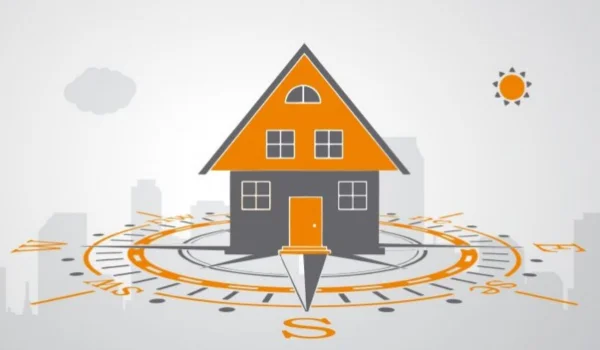
Vastu Shastra is a traditional Indian system of architecture that emphasizes harmony between a building, its occupants, and the natural environment. It considers factors such as:
- Directions
- Layout
- Sunlight
- Airflow
- Space utilization
- The five natural elements (Earth, Water, Fire, Air, and Space)
Many people use Vastu guidelines alongside modern architectural and interior design practices.
Room-Wise Vastu Tips
- Main Entrance
The entrance is traditionally considered one of the most important parts of a home.
Common Vastu suggestions include:
- Keep the entrance clean and well-lit.
- Ensure the main door opens smoothly.
- Avoid clutter near the entrance.
- Use a sturdy and well-maintained main door.
A welcoming entrance also enhances the overall appearance of the home.
- Living Room
According to traditional Vastu principles:
- The living room is often preferred in the North, East, or North-East portion of the home.
- Allow maximum natural light and ventilation.
- Arrange furniture to maintain easy movement.
- Keep the room uncluttered.
A bright and open living room creates a pleasant environment regardless of Vastu beliefs.
- Kitchen
The kitchen is associated with the fire element in Vastu.
Common recommendations include:
- South-East is traditionally considered the preferred location.
- Ensure good ventilation.
- Separate cooking and washing areas where practical.
- Keep the kitchen clean and organized.
Safety and proper ventilation should always be prioritized.
- Master Bedroom
Traditional Vastu guidelines often recommend:
- South-West for the master bedroom.
- A calm and clutter-free environment.
- Comfortable furniture placement.
- Adequate ventilation.
Good sleep quality also depends on factors such as lighting, noise, and mattress comfort.
- Children’s Bedroom
Suggested practices include:
- Maintain sufficient natural light.
- Provide organized storage.
- Create a distraction-free study area.
- Ensure proper ventilation.
A well-designed room supports comfort and functionality.
- Pooja Room
Many people following Vastu prefer:
- North-East direction.
- A peaceful and clean area.
- Simple and uncluttered décor.
The exact placement may vary depending on the home’s layout and personal preferences.
- Bathroom and Toilet
Practical tips include:
- Keep bathrooms clean and dry.
- Ensure proper ventilation.
- Repair leaks promptly.
- Use exhaust fans where needed.
Good hygiene and maintenance are important regardless of Vastu considerations.
Vastu Tips for Different Areas
Dining Room
- Keep the dining area clean and well-lit.
- Choose comfortable seating.
- Encourage a clutter-free environment.
Study Room
- Ensure adequate lighting.
- Organize books and study materials.
- Minimize distractions.
- Maintain good ventilation.
Home Office
- Use an ergonomic chair and desk.
- Keep cables organized.
- Maximize natural light.
- Maintain a professional and uncluttered workspace.
Balcony
- Add plants if space permits.
- Keep the area clean.
- Avoid unnecessary storage that blocks movement.
Importance of Natural Light and Ventilation
Regardless of Vastu principles, every home benefits from:
- Large windows where possible.
- Cross ventilation.
- Natural daylight.
- Proper airflow.
These features contribute to comfort, energy efficiency, and indoor air quality.
Indoor Plants for a Positive Home
Popular indoor plants include:
- Snake Plant
- Money Plant
- Peace Lily
- Areca Palm
- Rubber Plant
- ZZ Plant
Choose plants based on lighting conditions and maintenance requirements.
Common Vastu Mistakes to Avoid
- Allowing clutter to accumulate.
- Ignoring natural ventilation.
- Poor lighting.
- Neglecting home maintenance.
- Blocking windows with heavy furniture.
- Delaying repairs such as leaks or damaged electrical fittings.
Many of these practices also improve the overall functionality and appearance of a home.
Vastu vs Modern Home Design
| Vastu Shastra | Modern Home Design |
| Traditional architectural principles | Focuses on functionality and lifestyle |
| Considers directional preferences | Emphasizes efficient layouts |
| Based on cultural beliefs | Based on design, ergonomics, and engineering |
| Often combined with modern architecture | Prioritizes comfort, safety, and usability |
Many homeowners choose to incorporate Vastu principles while also following modern building standards.
Practical Tips for Every Home
- Keep your home clean and organized.
- Allow natural light into living spaces.
- Improve ventilation wherever possible.
- Repair plumbing and electrical issues promptly.
- Use calming colors that suit your personal style.
- Choose furniture that fits the available space.
- Avoid overcrowding rooms with unnecessary items.
These practices enhance comfort regardless of whether you follow Vastu.
Frequently Asked Questions (FAQs)
What is Vastu Shastra?
Vastu Shastra is a traditional Indian system of architecture that provides guidelines for planning and designing buildings based on directional and spatial principles. It is rooted in cultural beliefs and traditions.
Which direction is considered best for the main entrance?
According to traditional Vastu beliefs, North, East, and North-East are commonly regarded as favorable directions for the main entrance. However, many well-designed homes function perfectly regardless of entrance direction.
Is Vastu scientifically proven?
Vastu Shastra is a traditional belief system and is not universally supported by scientific evidence. Some of its recommendations, such as improving ventilation, maximizing natural light, and reducing clutter, align with widely accepted architectural and wellness practices.
Can I follow Vastu in an apartment?
Yes. Many apartment owners apply selected Vastu principles where practical, such as maintaining cleanliness, improving natural light, optimizing furniture placement, and creating organized living spaces.
Does Vastu guarantee success or happiness?
No. Vastu does not guarantee specific outcomes such as financial success, health, or happiness. Many people follow it as a matter of personal belief and cultural tradition while also relying on practical planning and good home design.
Final Thoughts
Vastu Shastra continues to be an important consideration for many Indian homeowners because of its cultural and traditional significance. While its principles are based on long-standing beliefs rather than established scientific evidence, several recommendations—such as maintaining cleanliness, maximizing natural light, ensuring good ventilation, and creating organized living spaces—can contribute to a more comfortable and functional home.
If you choose to follow Vastu, use it alongside sound architectural planning, quality construction, and practical interior design. A home that is safe, well-maintained, and thoughtfully designed will always provide a better living experience, regardless of the design philosophy you follow.





Leave a Reply