
Cooking oil is an essential part of every kitchen, but choosing the right oil can be confusing because there are many options available, including mustard oil, olive oil, coconut oil, sunflower oil, groundnut oil, and rice bran oil.
The best cooking oil depends on factors like cooking method, nutritional needs, flavour preference, and overall diet. A good cooking oil should provide healthy fats while being suitable for your everyday cooking style.
This guide explains the best cooking oils, their benefits, smoke points, ideal uses, and tips for selecting the right oil for your family.
Quick Comparison: Best Cooking Oils
| Cooking Oil | Best For | Key Features |
| Mustard Oil | Indian cooking, frying | Strong flavour, traditional choice |
| Olive Oil | Salads, light cooking | Rich in monounsaturated fats |
| Rice Bran Oil | Daily cooking | Mild taste, versatile |
| Groundnut Oil | Frying & Indian dishes | Stable for high heat |
| Coconut Oil | South Indian cooking | Unique flavour |
| Sunflower Oil | General cooking | Light taste |
| Sesame Oil | Asian dishes, tempering | Nutty flavour |
| Avocado Oil | Premium cooking | High smoke point |
Why Choosing the Right Cooking Oil Matters?
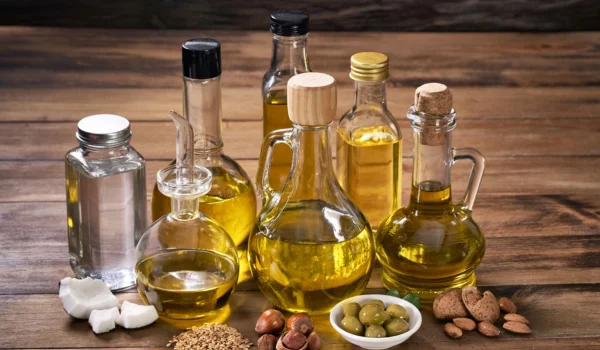
Cooking oils provide:
- Energy
- Essential fatty acids
- Flavour to food
- Help in absorbing fat-soluble vitamins
However, excessive consumption or choosing unsuitable oils may affect overall dietary balance.
The key is to choose quality oils and use them in moderation.
- Mustard Oil
Mustard oil is one of the most commonly used cooking oils in Indian households, especially in North and East India.
Uses:
- Vegetable cooking
- Pickles
- Frying
- Traditional recipes
Benefits:
- Contains healthy fats
- Strong flavour enhances Indian dishes
- Commonly used in traditional cooking
Best For:
- Indian curries
- Deep frying
- Regional cuisines
- Olive Oil
Olive oil is popular worldwide and is widely used in Mediterranean cooking.
Types:
- Extra virgin olive oil
- Virgin olive oil
- Refined olive oil
Uses:
- Salad dressing
- Light cooking
- Sautéing
Benefits:
- Rich in monounsaturated fats
- Contains antioxidants
- Popular choice for heart-conscious diets
Best For:
- Salads
- Low to medium heat cooking
- Rice Bran Oil
Rice bran oil has become popular as an everyday cooking oil in India.
Uses:
- Frying
- Cooking vegetables
- Indian dishes
Benefits:
- Mild taste
- Suitable for daily cooking
- Contains naturally occurring compounds
Best For:
- Regular household cooking
- Groundnut Oil (Peanut Oil)
Groundnut oil is widely used in Indian cooking due to its flavour and cooking stability.
Uses:
- Frying
- Snacks
- South and West Indian dishes
Benefits:
- Good cooking stability
- Provides healthy fats
- Neutral flavour
Best For:
- High-temperature cooking
- Coconut Oil
Coconut oil is commonly used in South Indian cuisine.
Uses:
- Traditional dishes
- Frying
- Baking
Benefits:
- Adds unique flavour
- Common ingredient in coastal cuisines
- Contains naturally occurring fatty acids
Best For:
- South Indian recipes
- Specific cooking styles
- Sunflower Oil
Sunflower oil is one of the most widely available cooking oils.
Uses:
- Everyday cooking
- Frying
- Baking
Benefits:
- Light taste
- Easily available
- Suitable for many recipes
Best For:
- General cooking needs
- Sesame Oil (Til Oil)
Sesame oil is valued for its nutty flavour and traditional importance.
Uses:
- Tempering
- Pickles
- Asian-style dishes
Benefits:
- Contains antioxidants
- Adds distinctive flavour
Best For:
- Flavour enhancement
- Regional recipes
- Avocado Oil
Avocado oil is a premium cooking oil known for its versatility.
Uses:
- Sautéing
- Roasting
- Salad preparation
Benefits:
- High smoke point
- Contains healthy fats
Best For:
- Premium cooking needs
Cooking Oil Smoke Point Comparison
The smoke point refers to the temperature at which oil starts producing smoke and breaking down.
| Oil | Approximate Smoke Point |
| Olive Oil | Varies by type |
| Mustard Oil | High |
| Rice Bran Oil | High |
| Groundnut Oil | High |
| Sunflower Oil | High |
| Coconut Oil | Medium |
(Actual smoke point can vary depending on processing and quality.)
Best Cooking Oil for Different Cooking Methods
For Deep Frying
Suitable options:
- Groundnut oil
- Rice bran oil
- Sunflower oil
- Mustard oil
For Indian Curries
Popular choices:
- Mustard oil
- Groundnut oil
- Rice bran oil
For Salads
Common choices:
- Extra virgin olive oil
- Sesame oil
For South Indian Cooking
Traditional options:
- Coconut oil
- Sesame oil
Should You Use One Oil or Multiple Oils?
Many nutrition experts recommend using variety in cooking oils rather than depending on only one type.
Using different oils can provide a broader range of fatty acids and flavours.
Example:
- Mustard oil for traditional cooking
- Olive oil for salads
- Sesame oil for specific dishes
Tips for Buying Cooking Oil
Before buying cooking oil:
- Check quality standards and packaging.
- Choose trusted brands.
- Check manufacturing and expiry dates.
- Avoid repeatedly heated oil.
- Store oil properly away from heat and sunlight.
Common Cooking Oil Mistakes
Avoid:
- Reusing Oil Multiple Times
Repeated heating can affect oil quality.
- Using Excess Oil
Even healthy oils should be consumed in moderation.
- Ignoring Cooking Method
Different oils perform differently at different temperatures.
- Buying Only Based on Advertisements
Look at:
- Quality
- Ingredients
- Cooking requirements
- Personal dietary needs
Frequently Asked Questions (FAQs)
Which is the healthiest cooking oil?
There is no single “best” oil for everyone. The right choice depends on cooking style, nutritional needs, and overall diet.
Which cooking oil is best for Indian food?
Mustard oil, rice bran oil, groundnut oil, and sesame oil are commonly used for Indian cooking.
Is olive oil good for Indian cooking?
Yes, olive oil can be used for certain cooking methods, especially low to medium heat cooking and salads.
Can we mix different cooking oils?
Some people use a combination of oils to add variety to their diet and cooking.
How often should cooking oil be changed?
Oil should be stored properly and replaced when it becomes old, develops an unusual smell, or shows quality changes.
Final Thoughts
Choosing the best cooking oil is about finding the right balance between nutrition, cooking style, and taste. Traditional oils like mustard oil and coconut oil remain popular in Indian kitchens, while options like olive oil and rice bran oil have gained popularity due to changing dietary preferences.
Instead of focusing on one “perfect” oil, choose good-quality oils, use them in moderation, and maintain a balanced diet for better overall health.






Leave a Reply