
Managing a family’s finances can be challenging. Between home rent or EMIs, groceries, school fees, healthcare, transportation, insurance, and savings, monthly expenses can quickly add up. Without a proper budget, it’s easy to overspend and struggle to achieve long-term financial goals.
A family budget is not about restricting your lifestyle—it’s about making informed decisions with your money. A well-planned budget helps you cover essential expenses, prepare for emergencies, reduce financial stress, and steadily build wealth.
In this guide, you’ll learn how to create a practical family budget, reduce unnecessary expenses, and manage your household finances more effectively.
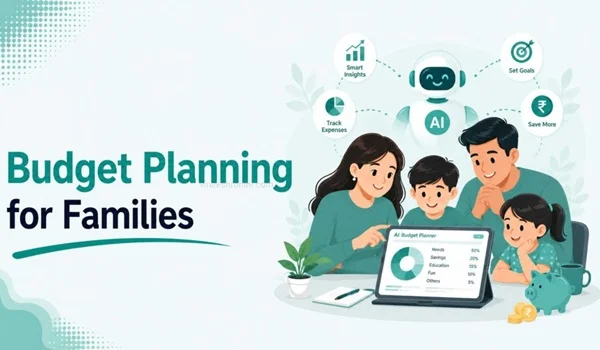
Quick Overview
| Particular | Recommendation |
| Budget Type | Monthly Household Budget |
| Best For | Families of All Sizes |
| Main Goal | Manage Expenses & Increase Savings |
| Emergency Fund | 3–6 Months of Essential Expenses |
| Savings Target | Ideally 20% of Income (Adjust as Needed) |
| Budget Review | Monthly |
| Budget Method | Income – Savings – Expenses |
Why Family Budget Planning is Important
A household budget helps you:
- Track where your money is going
- Avoid unnecessary spending
- Save for future goals
- Prepare for emergencies
- Reduce financial stress
- Manage debt more effectively
- Plan for children’s education and retirement
Without a budget, even a high income can disappear quickly due to unplanned spending.
Step 1: Calculate Your Total Monthly Income
Start by listing all reliable sources of household income.
Examples include:
- Salary
- Business income
- Freelance earnings
- Rental income
- Pension
- Interest income
- Other regular income
Example
| Income Source | Monthly Amount |
| Salary (Person 1) | ₹60,000 |
| Salary (Person 2) | ₹40,000 |
| Rental Income | ₹10,000 |
| Freelance Income | ₹5,000 |
| Total Monthly Income | ₹1,15,000 |
Step 2: List Essential Monthly Expenses
Separate essential expenses from optional spending.
Typical essentials include:
- House rent or home loan EMI
- Groceries
- Electricity and water bills
- Mobile and internet
- Transportation
- School fees
- Health insurance
- Loan EMIs
- Medicines
- Cooking gas
Example
| Expense | Monthly Amount |
| House Rent/EMI | ₹25,000 |
| Groceries | ₹15,000 |
| Utilities | ₹5,000 |
| School Fees | ₹8,000 |
| Transportation | ₹7,000 |
| Insurance | ₹5,000 |
| Mobile & Internet | ₹2,500 |
| Healthcare | ₹3,500 |
| Loan EMI | ₹10,000 |
| Total Essential Expenses | ₹81,000 |
Step 3: Identify Lifestyle Expenses
These are expenses that improve your lifestyle but are not essential for daily living.
Examples:
- Dining out
- Movie tickets
- OTT subscriptions
- Shopping
- Holidays
- Gym memberships
- Entertainment
- Online shopping
Reducing these expenses slightly can significantly improve your monthly savings.
Step 4: Follow the “Save First” Approach
Instead of saving what’s left at the end of the month, transfer money into savings and investments as soon as your income is received.
If possible, automate transfers to:
- Emergency fund
- SIP investments
- Recurring deposits
- Retirement savings
This helps build consistency.
Step 5: Build an Emergency Fund
Every family should maintain an emergency fund covering at least 3–6 months of essential expenses.
If your income is irregular or you’re self-employed, consider aiming for 6–12 months of expenses.
Keep this money in highly liquid, low-risk options such as a savings account, sweep-in FD, or other suitable instruments.
Step 6: Plan for Financial Goals
Separate your goals into different time horizons.
Short-Term Goals (1–3 Years)
- Family vacation
- New appliances
- Emergency fund
- Home repairs
Medium-Term Goals (3–7 Years)
- Car purchase
- Children’s school admission
- Business expansion
Long-Term Goals (7+ Years)
- Children’s higher education
- Home purchase
- Retirement planning
Assigning a timeline to each goal makes saving more focused.
Step 7: Reduce Unnecessary Expenses
Review your bank statements and identify recurring expenses that add little value.
You may be able to reduce spending on:
- Unused subscriptions
- Frequent food deliveries
- Impulse online purchases
- Premium services you rarely use
- High electricity consumption
Small savings each month can add up over time.
Step 8: Manage Debt Wisely
If you have multiple loans:
- Pay EMIs on time.
- Prioritize high-interest debt.
- Avoid taking new loans for non-essential purchases.
- Keep credit card balances under control.
Responsible debt management improves both cash flow and financial stability.
Step 9: Protect Your Family with Insurance
Insurance is an essential part of family financial planning.
Consider reviewing whether you have adequate:
- Health insurance
- Life insurance (if someone depends on your income)
- Motor insurance
- Home insurance (where appropriate)
The right coverage can prevent unexpected expenses from disrupting your finances.
Step 10: Review Your Budget Every Month
Your budget should evolve as your circumstances change.
Review:
- Income
- Expenses
- Savings
- Investments
- Financial goals
Adjust your budget after major life events such as a salary increase, the birth of a child, or taking a home loan.
Suggested Family Budget Allocation
This is an example only. Your allocation should reflect your income, location, and financial goals.
| Category | Suggested Allocation |
| Household Expenses | 50% |
| Savings | 20% |
| Investments | 15% |
| Insurance | 5% |
| Lifestyle & Entertainment | 10% |
Tips to Save More as a Family
- Plan meals and grocery shopping in advance.
- Compare prices before making major purchases.
- Use a shopping list to avoid impulse buying.
- Involve family members in budgeting decisions.
- Increase savings whenever your income grows.
- Set monthly spending limits for discretionary categories.
Common Budgeting Mistakes
- Not tracking expenses.
- Spending before saving.
- Ignoring emergency savings.
- Depending heavily on credit cards.
- Not planning for annual expenses like insurance renewals or school admissions.
- Failing to review the budget regularly.
Budget Planning for Different Family Types
| Family Type | Focus Areas |
| Newly Married Couple | Emergency Fund, Home Down Payment, Investments |
| Family with Young Children | Education, Insurance, Healthcare |
| Single-Income Family | Emergency Savings, Expense Control |
| Joint Family | Shared Budget, Household Expense Tracking |
| Retired Couple | Healthcare, Pension Planning, Capital Preservation |
Family Budget Checklist
- ✔ Track monthly income
- ✔ Record all expenses
- ✔ Save before spending
- ✔ Maintain an emergency fund
- ✔ Invest regularly
- ✔ Keep insurance updated
- ✔ Review your budget every month
- ✔ Plan for future financial goals
Frequently Asked Questions (FAQs)
What is the ideal family budget?
There is no one-size-fits-all budget. A good family budget covers essential expenses, includes regular savings, provides for investments, and leaves room for planned lifestyle spending.
How much should a family save every month?
If possible, many financial planners suggest saving around 20% of household income. However, the right amount depends on your income, existing obligations, and financial goals.
How can families reduce monthly expenses?
You can reduce costs by tracking spending, limiting impulse purchases, planning grocery shopping, reviewing subscriptions, lowering utility usage, and avoiding unnecessary debt.
Should families have an emergency fund?
Yes. An emergency fund covering 3–6 months of essential expenses can help protect your household from unexpected situations such as medical emergencies or temporary income loss.
What is the biggest budgeting mistake families make?
One of the most common mistakes is spending first and saving later. Prioritizing savings at the beginning of the month is often more effective than trying to save whatever remains at the end.
Final Thoughts
A family budget is one of the most effective tools for achieving financial stability and long-term success. It helps you understand your spending habits, prepare for emergencies, reduce financial stress, and work toward important goals such as buying a home, funding your children’s education, or planning for retirement.
The key is consistency rather than perfection. Start with a simple budget, review it every month, and make gradual improvements as your financial situation evolves. Over time, these small changes can make a meaningful difference to your family’s financial well-being.






Leave a Reply