
Life is unpredictable. A medical emergency, job loss, unexpected home repairs, or urgent travel expenses can arise at any time. Without adequate savings, these situations often force people to rely on credit cards or personal loans, increasing financial stress.
That’s why every financial expert recommends building an emergency fund before focusing on investments or wealth creation. An emergency fund acts as your financial safety net, helping you handle unexpected expenses without disrupting your long-term financial goals.
In this guide, you’ll learn what an emergency fund is, how much you should save, where to keep it, and how to build one step by step.
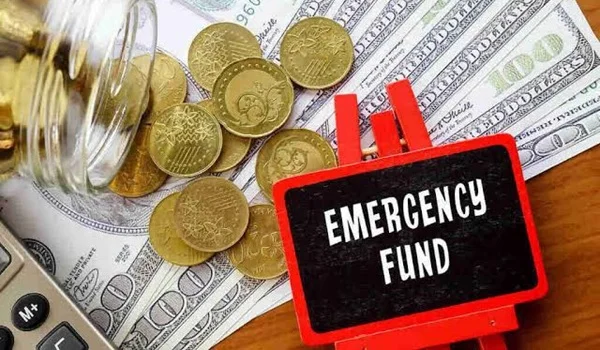
Quick Overview
| Particular | Details |
| Purpose | Cover unexpected expenses |
| Recommended Amount | 3–12 months of essential expenses |
| Risk Level | Very Low |
| Liquidity | High |
| Best Places to Keep It | Savings Account, Sweep FD, Liquid Mutual Fund |
| Suitable For | Everyone |
| Investment Goal | Capital Safety & Easy Access |
What is an Emergency Fund?
An emergency fund is money set aside specifically for unexpected financial situations. Unlike regular savings, it should only be used for genuine emergencies—not for shopping, vacations, or planned purchases.
Examples of emergencies include:
- Medical expenses
- Job loss
- Emergency home repairs
- Vehicle breakdowns
- Urgent family travel
- Essential appliance replacement
- Temporary loss of business income
The goal is to have cash readily available without needing to sell long-term investments or borrow money.
Why is an Emergency Fund Important?
Having an emergency fund provides several benefits:
- Reduces financial stress
- Prevents dependence on high-interest loans or credit cards
- Protects your long-term investments from premature withdrawals
- Provides peace of mind during uncertain times
- Helps maintain financial stability during income disruptions
Think of it as insurance for your day-to-day finances.
How Much Emergency Fund Should You Have?
The ideal amount depends on your income, job stability, and financial responsibilities.
| Your Situation | Recommended Emergency Fund |
| Single with Stable Job | 3–6 Months of Expenses |
| Married Couple | 6 Months of Expenses |
| Family with Children | 6–12 Months of Expenses |
| Self-Employed or Business Owner | 9–12 Months of Expenses |
| Freelancer | 9–12 Months of Expenses |
| Retired Individual | 12 Months or More (Depending on Income Sources) |
Focus on essential monthly expenses, not your total income.
How to Calculate Your Emergency Fund
Start by calculating your essential monthly expenses.
Example:
| Expense | Monthly Amount |
| House Rent/EMI | ₹20,000 |
| Groceries | ₹10,000 |
| Electricity & Utilities | ₹4,000 |
| Insurance Premiums | ₹3,000 |
| School Fees | ₹8,000 |
| Transportation | ₹5,000 |
| Mobile & Internet | ₹2,000 |
| Other Essentials | ₹8,000 |
| Total Monthly Expenses | ₹60,000 |
If your monthly essential expenses are ₹60,000, your target emergency fund could be:
- 3 Months = ₹1.8 lakh
- 6 Months = ₹3.6 lakh
- 12 Months = ₹7.2 lakh
Where Should You Keep Your Emergency Fund?
The primary goals are safety, liquidity, and quick access.
- High-Interest Savings Account
Advantages:
- Instant access
- Low risk
- Easy withdrawals
- Suitable for immediate emergencies
Keep at least one month’s expenses in your savings account for quick access.
- Sweep-In Fixed Deposit
A Sweep FD links your savings account to a fixed deposit. Excess funds are automatically moved into the FD, while money can still be accessed when needed (subject to your bank’s terms).
Benefits:
- Better interest than a regular savings account
- Easy access to funds
- Capital remains relatively secure
- Liquid Mutual Funds
Liquid mutual funds invest in short-term debt instruments and are designed to provide relatively high liquidity with lower volatility than equity funds.
Advantages:
- Potentially better returns than a standard savings account over time
- Easy online investments and redemptions
- Suitable for parking emergency savings beyond your immediate cash needs
Remember that, unlike a bank account, liquid mutual funds are market-linked and returns are not guaranteed.
Where Should You NOT Keep an Emergency Fund?
Avoid placing emergency money in investments that can fluctuate significantly or are difficult to access.
Examples include:
- Stocks
- Equity Mutual Funds
- Cryptocurrencies
- Real Estate
- Gold Jewelry
- Long Lock-in Investments
Your emergency fund should always be available when you need it.
How to Build an Emergency Fund
Step 1: Set a Target
Decide how many months of expenses you want to cover.
Start with:
- 3 months if you’re just beginning.
- Increase it gradually to 6–12 months.
Step 2: Open a Separate Account
Keeping your emergency fund separate from your daily spending account reduces the temptation to use it for non-essential purchases.
Step 3: Automate Monthly Savings
Set up an automatic transfer immediately after your salary is credited.
Even small amounts add up over time.
Example:
| Monthly Savings | Time to Reach ₹3 Lakh (Approx.) |
| ₹5,000 | 60 Months |
| ₹10,000 | 30 Months |
| ₹15,000 | 20 Months |
| ₹20,000 | 15 Months |
Step 4: Save Windfall Income
Whenever you receive:
- Bonus
- Tax refund
- Incentives
- Freelance income
- Gift money
Consider allocating a portion toward your emergency fund.
Step 5: Replenish After Use
If you need to use part of your emergency fund, make it a priority to rebuild it once your financial situation stabilizes.
Common Mistakes to Avoid
- Investing your emergency fund in high-risk assets.
- Using it for vacations or shopping.
- Keeping too little cash for immediate emergencies.
- Ignoring inflation and rising expenses.
- Not reviewing your emergency fund after major life changes.
Emergency Fund vs Savings Account
| Emergency Fund | Regular Savings |
| Reserved for emergencies only | Used for everyday financial goals |
| Should not be spent casually | Can be used for planned expenses |
| Based on monthly expenses | Based on personal saving habits |
| Focus on liquidity and safety | May have multiple purposes |
Emergency Fund vs Fixed Deposit
| Emergency Fund | Fixed Deposit |
| Needs immediate access | May involve penalties on premature withdrawal |
| Highly liquid | Less flexible depending on tenure |
| Focus on availability | Focus on earning interest |
Many people keep part of their emergency fund in a savings account and the remaining amount in a Sweep FD or liquid mutual fund for a balance between accessibility and returns.
Who Needs an Emergency Fund?
The simple answer is everyone, especially:
- Salaried employees
- Self-employed professionals
- Business owners
- Freelancers
- Students living independently
- Families with dependents
- Retirees
No matter your income level, unexpected expenses can occur.
Frequently Asked Questions (FAQs)
How much emergency fund should I have?
A common guideline is to save 3–6 months of essential expenses. If your income is irregular or you are self-employed, consider aiming for 9–12 months.
Can I invest my emergency fund in mutual funds?
You may keep part of it in liquid mutual funds, but avoid equity mutual funds or other high-risk investments because their value can fluctuate.
Should I keep my emergency fund in a Fixed Deposit?
Yes, many people use Sweep FDs or short-term fixed deposits for a portion of their emergency fund, provided they can access the money quickly if needed.
Is an emergency fund different from regular savings?
Yes. An emergency fund is reserved exclusively for unexpected financial situations, whereas regular savings can be used for planned expenses such as travel, gadgets, or home purchases.
What should I do after building an emergency fund?
Once you’ve reached your target, you can focus on other financial goals such as investing through SIPs, retirement planning, buying insurance, or saving for major life events.
Final Thoughts
An emergency fund is one of the most important foundations of financial planning. Before investing in stocks, mutual funds, or other long-term assets, ensure you have enough savings to handle unexpected situations without taking on debt or interrupting your investment journey.
Start with a realistic target—even one month’s expenses—and build it consistently over time. By keeping your emergency fund safe, liquid, and easily accessible, you’ll be better prepared to face life’s uncertainties while staying on track toward your long-term financial goals.




Leave a Reply