
Your credit score plays a crucial role in your financial life. Whether you’re applying for a personal loan, home loan, car loan, business loan, or a new credit card, lenders often check your credit score before making a decision.
A higher credit score can improve your chances of loan approval and may also help you qualify for better interest rates and higher credit limits. On the other hand, a low score can make borrowing more difficult or expensive.
If you’re wondering how to improve your credit score, this guide explains what affects your score, practical ways to improve it, and common mistakes to avoid.
Quick Overview
| Particular | Details |
| Ideal Credit Score | 750 or Above (Generally Considered Good) |
| Minimum Score Range | 300 |
| Maximum Score Range | 900 |
| Main Credit Bureau | CIBIL (Others include Experian, CRIF High Mark & Equifax) |
| Time to Improve Score | Usually a Few Months to a Year (Depends on Individual Credit Behaviour) |
| Best Strategy | Timely Payments + Low Credit Utilization + Responsible Credit Use |
What is a Credit Score?
A credit score is a three-digit number that represents your creditworthiness based on your borrowing and repayment history.
In India, credit scores are generated by RBI-authorized credit information companies such as:
- TransUnion CIBIL
- Experian
- Equifax
- CRIF High Mark
Although each bureau may calculate scores differently, they all use information such as repayment history, outstanding loans, and credit utilization.
Generally:
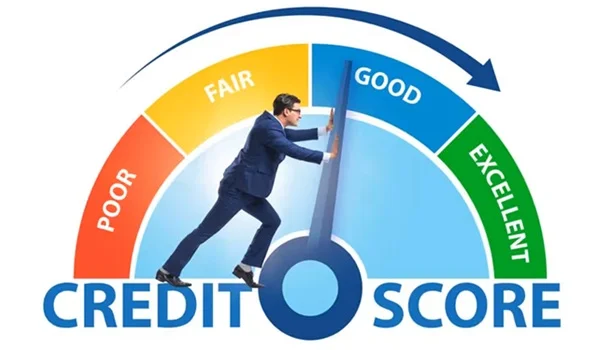
| Credit Score | Meaning |
| 750–900 | Excellent |
| 700–749 | Good |
| 650–699 | Fair |
| 600–649 | Below Average |
| Below 600 | Poor |
Why is a Good Credit Score Important?
A strong credit score can help you:
- Improve your chances of loan approval
- Qualify for lower interest rates (subject to lender policies)
- Get higher credit card limits
- Access better financial products
- Improve credibility with lenders
Remember, a good score doesn’t guarantee approval—lenders also consider income, employment, repayment capacity, and other eligibility criteria.
How is Your Credit Score Calculated?
While each credit bureau uses its own methodology, common factors include:
- Repayment history
- Credit utilization ratio
- Length of credit history
- Credit mix (secured and unsecured loans)
- Number of recent credit applications
15 Ways to Improve Your Credit Score
1. Pay All EMIs and Credit Card Bills on Time
Your payment history is one of the most important factors affecting your credit score.
Always pay:
- Loan EMIs
- Credit card bills
- Consumer loan installments
Setting up auto-debit or payment reminders can help you avoid missed payments.
2. Keep Credit Utilization Below 30%
Credit utilization refers to how much of your available credit limit you are using.
Example:
- Credit Limit: ₹1,00,000
- Outstanding Balance: ₹25,000
Credit Utilization = 25%
Keeping utilization below 30% is generally considered a healthy practice.
3. Avoid Missing Payments
Even one missed payment can negatively affect your credit report.
If you cannot pay the full credit card bill, try to pay more than the minimum amount due whenever possible, as carrying high balances can increase interest costs.
4. Don’t Apply for Too Many Loans at Once
Every loan or credit card application may result in a hard inquiry on your credit report.
Multiple applications within a short period can indicate higher credit demand and may affect your score.
Apply for credit only when necessary.
5. Maintain Older Credit Accounts
The length of your credit history matters.
If you have an old credit card with a good repayment record and no significant fees, keeping it active can contribute positively to your credit profile.
6. Check Your Credit Report Regularly
Review your credit report at least once a year to identify:
- Incorrect personal information
- Duplicate loans
- Closed accounts still showing as active
- Incorrect payment records
If you find errors, raise a dispute with the relevant credit bureau.
7. Maintain a Healthy Credit Mix
Lenders often prefer borrowers who have managed different types of credit responsibly.
Examples include:
- Home Loan (Secured)
- Car Loan (Secured)
- Personal Loan (Unsecured)
- Credit Card (Revolving Credit)
However, don’t take unnecessary loans just to improve your credit mix.
8. Avoid Settling Loans Unless Necessary
A “settled” status on your credit report indicates that the lender accepted less than the full amount owed.
While it may resolve the debt, it can affect your credit profile differently than a loan marked as “closed” after full repayment.
9. Pay More Than the Minimum Due
Paying only the minimum due keeps your account from becoming overdue, but interest continues to accrue on the remaining balance.
Whenever possible, clear the full outstanding amount each billing cycle.
10. Use Credit Cards Responsibly
A credit card can help build your credit history when used wisely.
Best practices include:
- Paying bills on time
- Avoiding unnecessary spending
- Keeping utilization low
- Not withdrawing cash unless absolutely necessary
11. Close Unused High-Fee Cards Carefully
If a credit card has a high annual fee and you no longer need it, evaluate whether closing it is beneficial.
Before closing a card, consider:
- Its age
- Credit limit
- Impact on your overall credit utilization
12. Avoid Becoming a Guarantor Without Careful Consideration
If you guarantee someone else’s loan and they default, it may affect your financial obligations and, in some situations, your credit profile.
Only become a guarantor when you fully understand the risks.
13. Build Credit if You’re New to Borrowing
If you have no credit history, consider starting with:
- A secured credit card
- A small consumer loan (if needed)
- Responsible use of entry-level credit products
A positive repayment history helps establish your credit profile over time.
14. Update Incorrect Information Quickly
Ensure your credit report accurately reflects:
- Name
- PAN
- Aadhaar-linked details (where applicable)
- Address
- Loan status
- Payment history
Promptly dispute any inaccuracies.
15. Be Patient and Consistent
Improving your credit score doesn’t happen overnight.
Consistently paying on time, keeping utilization low, and avoiding unnecessary borrowing can gradually strengthen your credit profile over several months.
Common Mistakes That Lower Your Credit Score
- Missing EMI payments
- Paying credit card bills late
- Maxing out credit card limits
- Applying for multiple loans together
- Defaulting on loans
- Ignoring errors in your credit report
- Using only minimum due payments for long periods
How Long Does It Take to Improve a Credit Score?
The timeline depends on factors such as:
- Current score
- Payment history
- Outstanding debt
- Nature of past defaults
- Future repayment behavior
Minor improvements may be visible within a few months, while recovering from serious defaults can take significantly longer.
Can a Low Credit Score Be Fixed?
Yes, in many cases.
Improvement is possible by:
- Making timely payments
- Reducing outstanding balances
- Avoiding new unnecessary debt
- Monitoring your credit report
- Correcting reporting errors
Consistency is the key.
Frequently Asked Questions (FAQs)
What is a good credit score in India?
A score of 750 or above is generally considered good by many lenders, though lending decisions vary between institutions.
How can I increase my credit score quickly?
The most effective steps include paying all EMIs and credit card bills on time, keeping credit utilization below 30%, reducing outstanding debt, and avoiding multiple credit applications. Significant improvements usually take time.
Does checking my own credit score reduce it?
No. Checking your own credit report through authorized channels is considered a soft inquiry and generally does not affect your credit score.
Can paying a loan early improve my credit score?
Timely repayment of loans contributes positively to your credit history. Simply repaying early does not automatically increase your score, but maintaining a strong repayment record is beneficial.
Is it good to have multiple credit cards?
Having multiple credit cards is not necessarily good or bad. What matters is how responsibly you use them. Paying on time and maintaining low overall credit utilization are more important than the number of cards you own.
Final Thoughts
A good credit score is built through consistent financial discipline rather than quick fixes. Paying your dues on time, borrowing responsibly, maintaining low credit utilization, and reviewing your credit report regularly are some of the most effective ways to strengthen your credit profile.
Whether you’re planning to apply for a home loan, personal loan, business loan, or premium credit card, improving your credit score today can make borrowing easier and potentially more affordable in the future.






Leave a Reply