
Indian cuisine is famous worldwide for its rich flavours, vibrant colours, and unique aroma. The secret behind this diversity lies in the extensive use of Indian spices that transform simple ingredients into delicious and nutritious dishes.
For centuries, spices have been an important part of Indian cooking as well as traditional wellness practices. From turmeric and cumin to cardamom and black pepper, each spice has its own flavour, culinary purpose, and nutritional properties.
This complete Indian spices guide covers popular Indian spices, their uses, health benefits, and how they are used in different regional cuisines.
Quick Overview: Popular Indian Spices
| Spice | Hindi Name | Common Uses |
| Turmeric | Haldi | Curries, milk, vegetables |
| Cumin | Jeera | Tempering, rice, curries |
| Coriander | Dhaniya | Masalas, chutneys |
| Cardamom | Elaichi | Tea, sweets, desserts |
| Black Pepper | Kali Mirch | Seasoning, spice blends |
| Cinnamon | Dalchini | Tea, desserts, curries |
| Cloves | Laung | Rice dishes, garam masala |
| Red Chilli | Lal Mirch | Spice and colour |
| Mustard Seeds | Rai/Sarson | Pickles, tempering |
| Fenugreek | Methi | Curries and spice mixes |
Why Are Indian Spices Important?
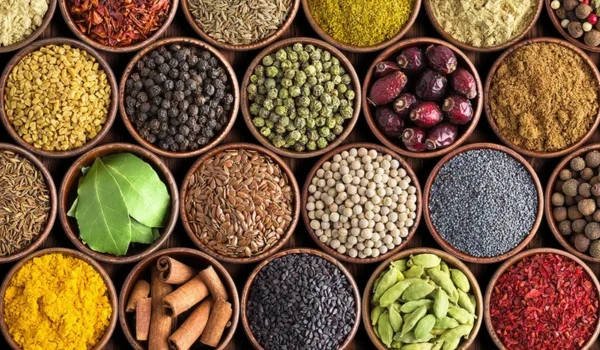
Indian spices are valued because they provide:
- Rich Flavour and Aroma
Spices enhance the taste of food by adding:
- Heat
- Sweetness
- Earthy flavours
- Fresh aroma
- Depth to dishes
- Traditional Health Benefits
Many Indian spices contain natural compounds that have been traditionally used for wellness purposes.
Examples:
- Turmeric contains curcumin.
- Ginger contains gingerol.
- Black pepper contains piperine.
- Cultural Importance
Spices are deeply connected with Indian traditions, regional cuisines, and cooking methods passed through generations.
Popular Indian Spices and Their Uses
- Turmeric (Haldi)
Turmeric is one of the most important spices in Indian kitchens.
Uses:
- Curries
- Dal
- Vegetables
- Pickles
- Turmeric milk
Benefits:
- Contains antioxidants
- Traditionally used in Indian wellness practices
- Adds natural colour to food
Turmeric is widely used across almost every Indian state.
- Cumin (Jeera)
Cumin seeds are commonly used for tempering and adding an earthy flavour.
Uses:
- Dal
- Rice dishes
- Curries
- Spice powders
Benefits:
- Supports digestion
- Provides minerals
- Adds aromatic flavour
- Coriander (Dhaniya)
Coriander is used in both fresh and dried forms.
Uses:
- Coriander powder
- Garnishing
- Chutneys
- Masala blends
Benefits:
- Contains antioxidants
- Adds freshness to dishes
- Provides essential nutrients
- Black Pepper (Kali Mirch)
Known as the “King of Spices,” black pepper has been an important Indian spice for centuries.
Uses:
- Soups
- Curries
- Beverages
- Seasoning
Benefits:
- Contains piperine
- Adds digestive support
- Enhances flavour
- Cardamom (Elaichi)
Cardamom is a highly aromatic spice used in sweet and savoury dishes.
Uses:
- Tea
- Desserts
- Biryani
- Indian sweets
Benefits:
- Provides refreshing aroma
- Traditionally used after meals
- Contains natural compounds
- Cinnamon (Dalchini)
Cinnamon adds a sweet and warm flavour to dishes.
Uses:
- Tea
- Rice dishes
- Curries
- Desserts
Benefits:
- Contains antioxidants
- Adds natural sweetness and aroma
- Cloves (Laung)
Cloves are known for their strong aroma and flavour.
Uses:
- Garam masala
- Biryani
- Tea
- Pickles
Benefits:
- Rich in antioxidants
- Traditionally used in oral care practices
- Red Chilli (Lal Mirch)
Red chilli provides heat, colour, and flavour.
Types:
- Kashmiri chilli (for colour)
- Hot chilli varieties (for spice)
Uses:
- Curries
- Chutneys
- Pickles
- Spice mixes
- Mustard Seeds (Rai/Sarson)
Mustard seeds are commonly used in Indian tempering.
Uses:
- South Indian dishes
- Pickles
- Vegetable preparations
Benefits:
- Contains minerals
- Adds strong flavour
- Fenugreek (Methi)
Fenugreek seeds and leaves are commonly used in Indian cooking.
Uses:
- Curry powders
- Pickles
- Vegetable dishes
Benefits:
- Traditionally valued for nutritional properties
- Adds a unique bitter flavour
Indian Spice Blends (Masalas)
Indian cooking often uses combinations of spices to create balanced flavours.
Garam Masala
A popular spice blend containing ingredients like:
- Cinnamon
- Cardamom
- Cloves
- Black pepper
Used in:
- North Indian curries
- Paneer dishes
- Rice preparations
Curry Powder
A mixture of various spices used for preparing flavourful dishes.
Common ingredients:
- Turmeric
- Coriander
- Cumin
- Chilli
Chaat Masala
A tangy spice mix used in snacks.
Used in:
- Fruits
- Salads
- Street food
- Chaats
Indian Spices by Region
| Region | Famous Spices & Flavours |
| North India | Garam masala, cumin, coriander |
| South India | Curry leaves, mustard seeds, pepper |
| West India | Fennel, sesame, chilli |
| East India | Panch phoron, mustard |
Whole Spices vs Ground Spices
| Whole Spices | Ground Spices |
| Longer shelf life | Easy to use |
| Stronger aroma | Quick cooking |
| Freshly ground gives better flavour | Requires proper storage |
For better taste, many cooks prefer grinding whole spices when needed.
Tips for Buying Indian Spices
Consider these points:
- Buy spices from reliable sources.
- Check freshness and aroma.
- Avoid products with unnecessary additives.
- Store spices in airtight containers.
- Buy smaller quantities for better freshness.
How to Store Spices Properly
To maintain quality:
- Keep spices away from sunlight.
- Use dry containers.
- Avoid moisture exposure.
- Label containers with purchase dates.
- Replace old spices regularly.
Common Mistakes While Using Spices
Avoid:
- Using too many spices together.
- Burning spices while tempering.
- Storing spices in humid places.
- Using stale spices.
- Adding spices without balancing flavours.
Frequently Asked Questions (FAQs)
Which is the most commonly used Indian spice?
Turmeric, cumin, coriander, and chilli are among the most commonly used spices in Indian cooking.
Which Indian spice is known as the King of Spices?
Black pepper is traditionally known as the King of Spices.
What are the essential spices every Indian kitchen should have?
Basic spices include turmeric, cumin, coriander powder, chilli powder, black pepper, and garam masala.
Are Indian spices healthy?
Many Indian spices contain natural compounds and antioxidants. They can be part of a healthy balanced diet when used appropriately.
Which Indian spices are used in tea?
Common tea spices include cardamom, ginger, cinnamon, cloves, and black pepper.
Final Thoughts
Indian spices are much more than flavouring ingredients — they represent India’s rich culinary heritage and regional diversity. From everyday cooking to festive dishes, spices bring aroma, taste, and tradition to Indian meals.
Understanding different spices and their uses can help you prepare better food while appreciating the cultural importance behind every ingredient. A well-stocked spice collection is the foundation of authentic Indian cooking.






Leave a Reply